Getting married in Italy from the UK.
Legal or symbolic, what paperwork you need, and the order to do things in. A plain-English guide for British couples.
Legal or symbolic, what paperwork you need, and the order to do things in. A plain-English guide for British couples.
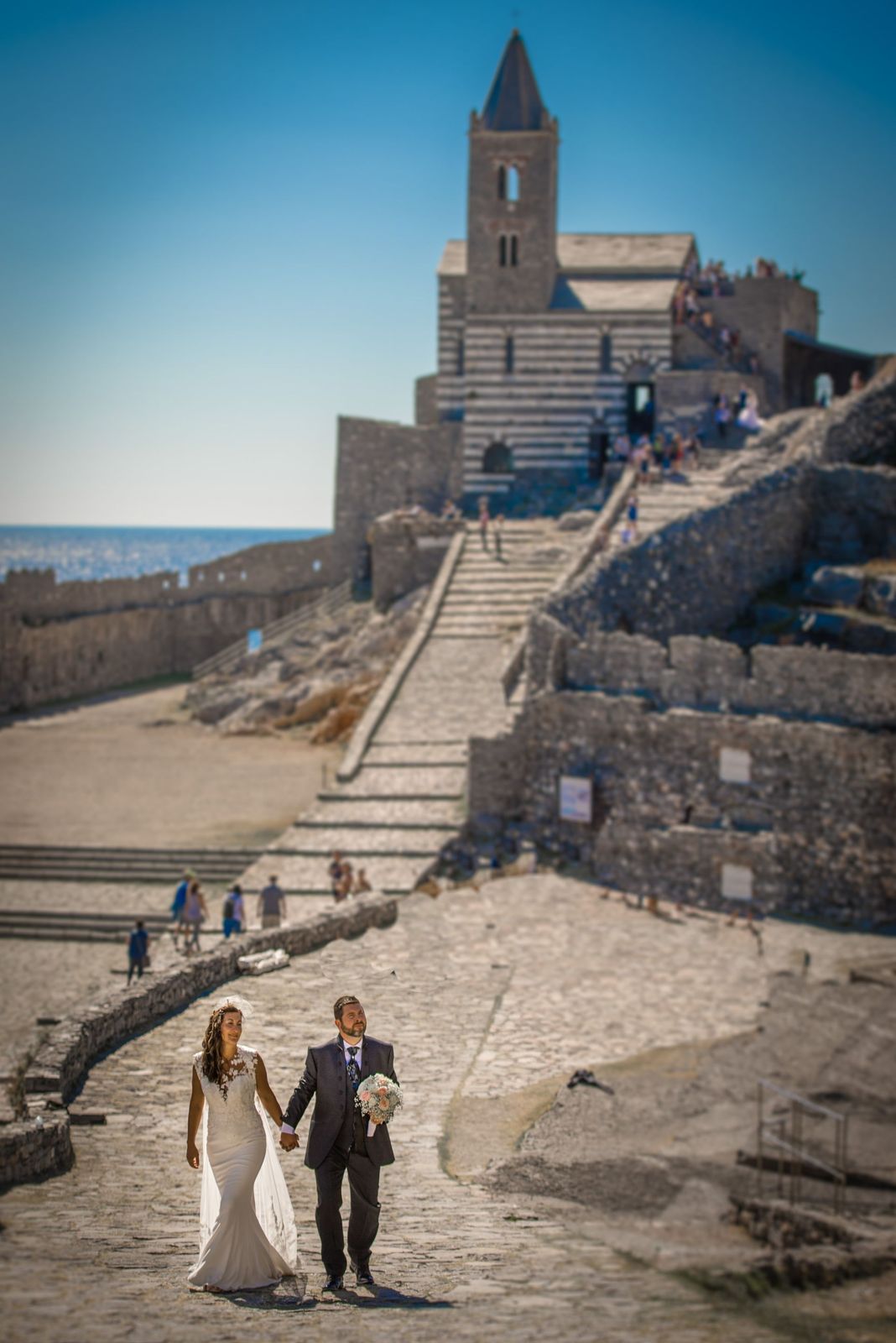
You have two options. A legal (civil) ceremony in Italy, which is recognised in the UK, or a symbolic ceremony in Italy after a quick legal wedding at home. Many British couples choose the second: no foreign paperwork, any venue and any time of day you like, and a celebrant who can run the ceremony in English.
Italy asks foreign citizens to prove they are free to marry. For British nationals this is the certificate of no impediment, called a nulla osta in Italy, issued by the British Embassy in Rome. According to the UK government’s application pack, you download a notice and an affirmation, sign the notice in front of a notary, and apply to the Embassy by post.
Then, usually a few days before the wedding, you go to the town hall (comune) where you’re marrying to make a declaration of intent, with an interpreter if you don’t speak Italian. The civil ceremony itself takes place at the town hall or at a venue the town has authorised for weddings.
From the UK there are direct flights to most Italian regions. Puglia and Abruzzo give the most space for your budget; Tuscany and the lakes are the classics; Campania puts you near Naples and the Amalfi coast.
The biggest cost is the venue and catering, usually priced per guest. On top come the venue fee, drinks, music and flowers. Guests typically pay their own travel and rooms. A clear quote from each venue, in English and with everything listed, is the easiest way to compare.
A civil marriage carried out legally in Italy is generally recognised in the UK. Check the current guidance on GOV.UK for your situation.
It is the Italian name for a certificate of no impediment: a document from the British Embassy in Rome confirming you are free to marry.
Yes, but Catholic and other religious weddings have their own paperwork through your parish and the diocese. Start early.
Yes. You marry legally at home, then have a ceremony in Italy with no extra paperwork, at any venue.
Tell us your date, guests and budget. We speak to the venues in Italian and come back with real availability and prices.